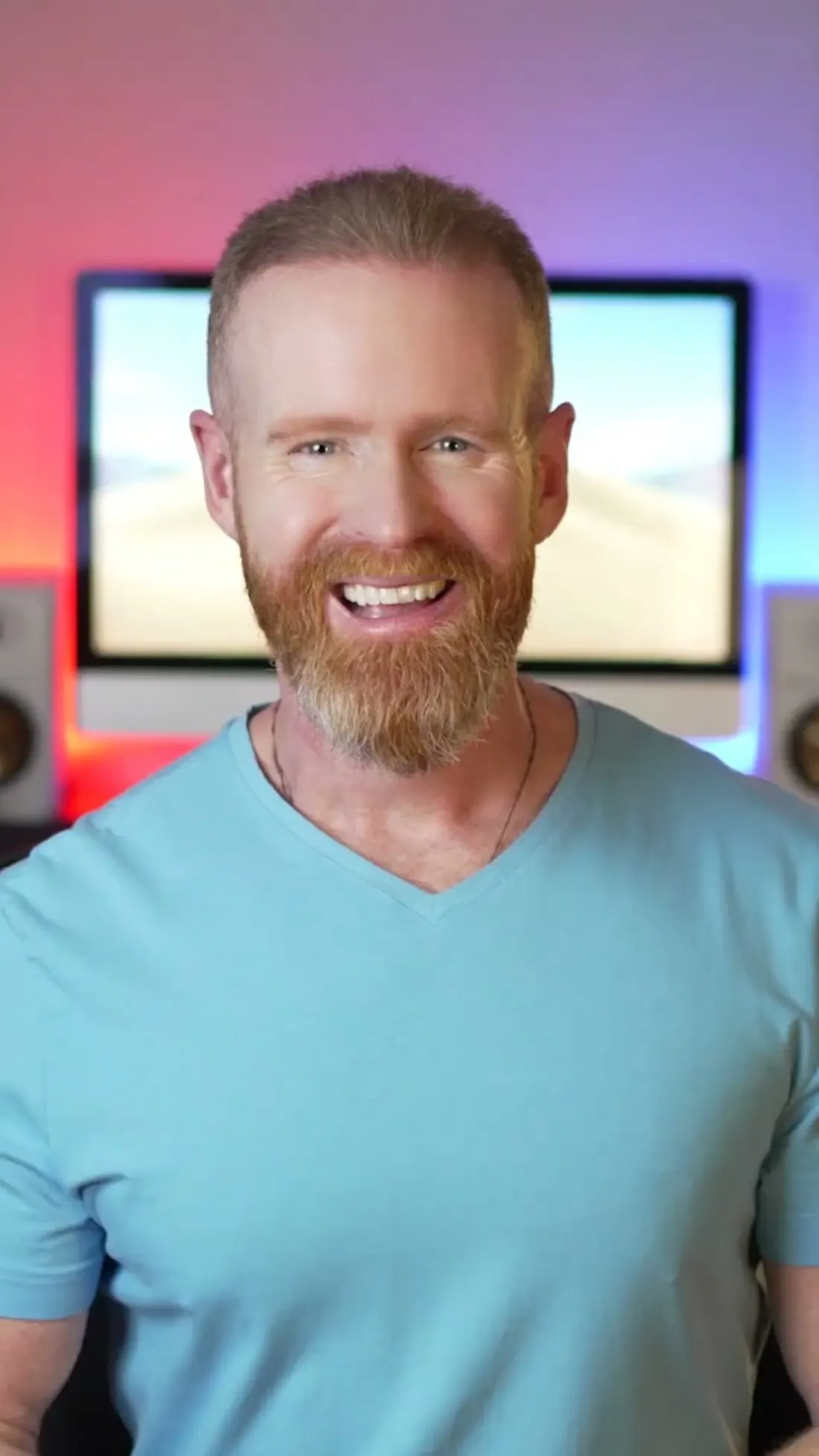
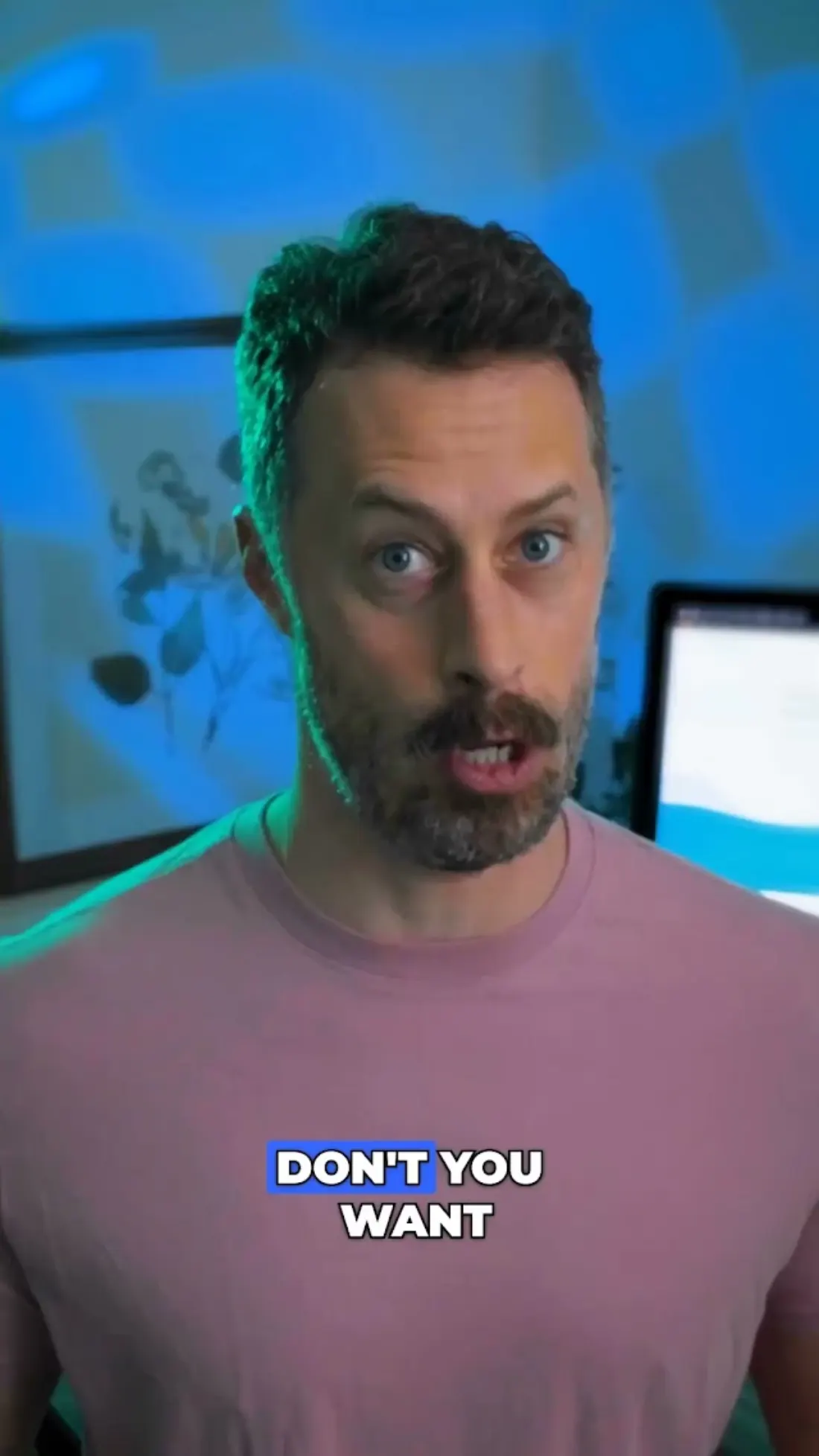
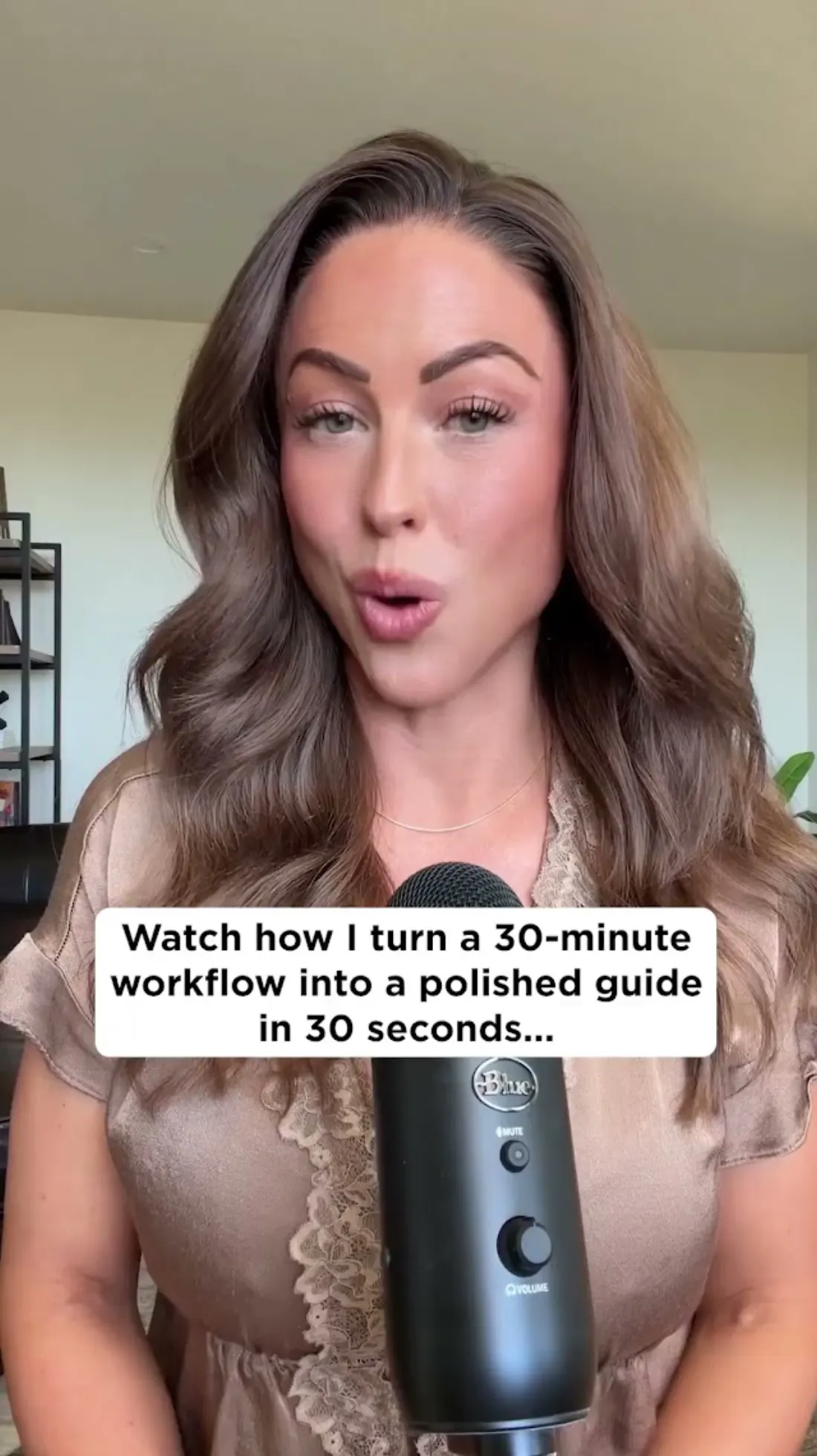

A consumer finance platform that helps people manage their money and access personalised financial products. The work had to make money management feel handled rather than hard.
Banners
UGC
DemandBox creative studio
We write the angle, design the asset, cast the creator and ship every cut your channels need, then read what happened and build on it. Static, animated, UGC, founder-led and influencer-led, across every placement that matters.
A performance creative studio writes the angle, designs the asset and produces the video that runs inside paid campaigns. DemandBox covers static and animated ad creative, UGC, founder-led and influencer-led video, sized for every placement, then compares concepts in the account and cuts the ones it has stopped rewarding.
Creative made for


















Format is how the ad is delivered. Approach is who tells the story. Most campaigns need several of both running at once.
How the ad is delivered.
Who tells the story.
A large advertiser brief is handled by turning one business objective into a set of distinct creative arguments, producing each at the volume a clean test needs, and labelling everything so the media team can attribute a result to an argument rather than to a filename.
Big briefs fail in predictable ways. A single hero idea absorbs the budget, three near-identical variations get called a test, and by the time anyone can read the result the quarter is gone. The first thing we do with a brief is separate the objective from the arguments that could serve it. One objective usually supports four to six genuinely different claims: a pain the buyer already feels, a status quo worth attacking, a proof point, a comparison, a category-defining idea. Those are the units that get produced and tested, not colourways.
Scoping runs off the media plan rather than a package. If the account is running three audiences across two platforms, the volume required to read anything is a function of spend per cell, not of how many assets a studio likes to quote. We size the round against what your media team can actually serve, then produce every format that plan needs in one pass, so a channel launch never waits on a resize.
Review is the part most production breaks on. With several stakeholders, sequential approval turns a two-week round into six. We work from one round of concept-level feedback before production begins, where the argument is still cheap to change, then one round on the produced asset for brand and legal. Comments land in one place, not across four inboxes, and anything raised after production is logged for the next round rather than reopening the current one.
Everything ships labelled by argument, format and audience, so a month later the question 'what worked' has an answer with a claim attached to it. That naming convention is agreed before the first asset is delivered, because retro-fitting it to a live account is how attribution gets lost.
Video production here covers writing the script around a real buyer objection, sourcing and casting the person on camera, running the shoot, and editing the footage into every aspect ratio and length the channels need, including UGC, founder-led and influencer-led cuts.
Scripts start from an objection, not from a feature list. Before anything is written we look at what stalls the sale: the switching cost, the integration worry, the internal sceptic, the belief that the current process is fine. The script's job is to raise that objection out loud in the first three seconds and then answer it, because a viewer who recognises their own hesitation keeps watching and a viewer watching a product tour does not.
Casting is ours end to end. We source creators and actors against the brief, run the auditions, and brief the person on camera directly, so the angle that got approved is the one that gets filmed. For founder-led work the founder is directed rather than left to improvise, with the argument structured in advance and multiple hook takes captured so the opening can be tested separately from the body. For influencer-led work the creator's own voice stays intact; a script that makes a creator sound like a brand ad removes the reason for using them.
Shoots are built for volume from one session. A single day yields multiple hooks, multiple proof segments and multiple endings, which recombine into far more finished cuts than were shot as scripts. That is what makes iterative video testing affordable: the next round of variants comes out of existing footage rather than a new production.
Delivery covers every ratio and length the placements need, captioned and safe-area checked: 9:16 for stories and reels, 4:5 and 1:1 for in-feed, 16:9 for YouTube and display. Cutdowns at six, fifteen and thirty seconds come from the same master so the argument survives the shorter version rather than being trimmed at random.
Performance creative and brand guidelines are not in conflict. We work inside the existing visual system, typography and voice, and test at the level of claim, hook and format, so the brand stays intact while the argument keeps changing.
Most brand teams have been handed performance work that looks nothing like the brand and told the numbers justify it. That is a false trade. The variables that move performance are the claim, the hook, the pacing and the format. The variables a brand system protects are the logo, the palette, the typography, the tone and the claims legal has cleared. Those two sets barely overlap, which is why testing can be aggressive without the brand drifting.
We start from your guidelines document, component library and any existing master files, and we ask up front which elements are fixed and which are flexible. Fixed usually means logo treatment, colour, type and legal phrasing. Flexible usually means composition, imagery, motion and the order the argument is made in. When something genuinely useful sits on the fixed side, we bring it as a proposal with the reasoning rather than shipping it and apologising later.
Because concepts are reviewed as arguments before production, brand review stops being the bottleneck. Your team sees the claim and the direction while both are still cheap to change, then sees a produced asset that already respects the system. There is no round where a finished film has to be rebuilt because the wrong wording reached the edit.
Working files come back to you. Layered source, editable masters and the exported set, so nothing produced here is locked inside an agency account you would have to negotiate with later.
Banners and video produced for these accounts. Click any thumbnail to view it full size.
A consumer finance platform that helps people manage their money and access personalised financial products. The work had to make money management feel handled rather than hard.
An online marketplace for comparing and buying insurance. Every concept leads with the saving, then removes the reason not to switch.
An AI documentation tool that records a workflow and turns it into a step-by-step guide. The hooks start from the pain of writing documentation by hand.
An AI platform that automates chargeback management and prevention for online merchants. Each script opens on money the merchant has already lost.
An AI deal workspace where sales teams collaborate with buyers and close deals. Founder and seller voices, talking about deals that slipped.
An AI job search platform that matches people to roles and writes tailored resumes and cover letters. Written for the moment the search stops feeling worth it.
An AI safety and governance platform for testing, protecting and monitoring AI apps, agents and models. A new category, so the creative does the explaining.
This account runs banner-led. The full static set sits in the folder above.
Want creative like this in your account?
Understand the product, the audience and the campaign goals.
Research the market, the competitors and the creative already running.
Identify the strongest messages, the real pain points and the objections that block the sale.
Develop broad campaign concepts, then focused variations inside each one.
Write the copy, the hooks and the video scripts.
Source creators or actors and produce every creative in the formats the channels need.
Launch, read performance, scale the winners and test the next direction.
Chargeback automation, AI safety and governance, AI deal workspaces, insurance comparison. We write the version that makes sense to a buyer who will never open the documentation.
A brief comes back as separate arguments, then variations inside the ones worth pursuing. The test tells you which claim won, not which button colour did.
Static, animated, UGC, founder-led and influencer-led, cut for 9:16, 1:1 and 16:9 together. A channel launch never waits on a resize.
We work inside existing guidelines rather than around them, and test at the level of claim, hook and format, so brand review is not the bottleneck.
Every concept ships labelled, so your media team can tie a result to an argument rather than to an asset filename. What scales and what comes out is decided on that, together.
We source the creators, write the scripts around a real objection and run the shoot. The angle that got approved is the one that gets filmed.
Tell us what you need to run next.